Editorial note: This first look is based on the film’s public festival materials and is published ahead of its November premiere. We’ll revisit the film after its screening.
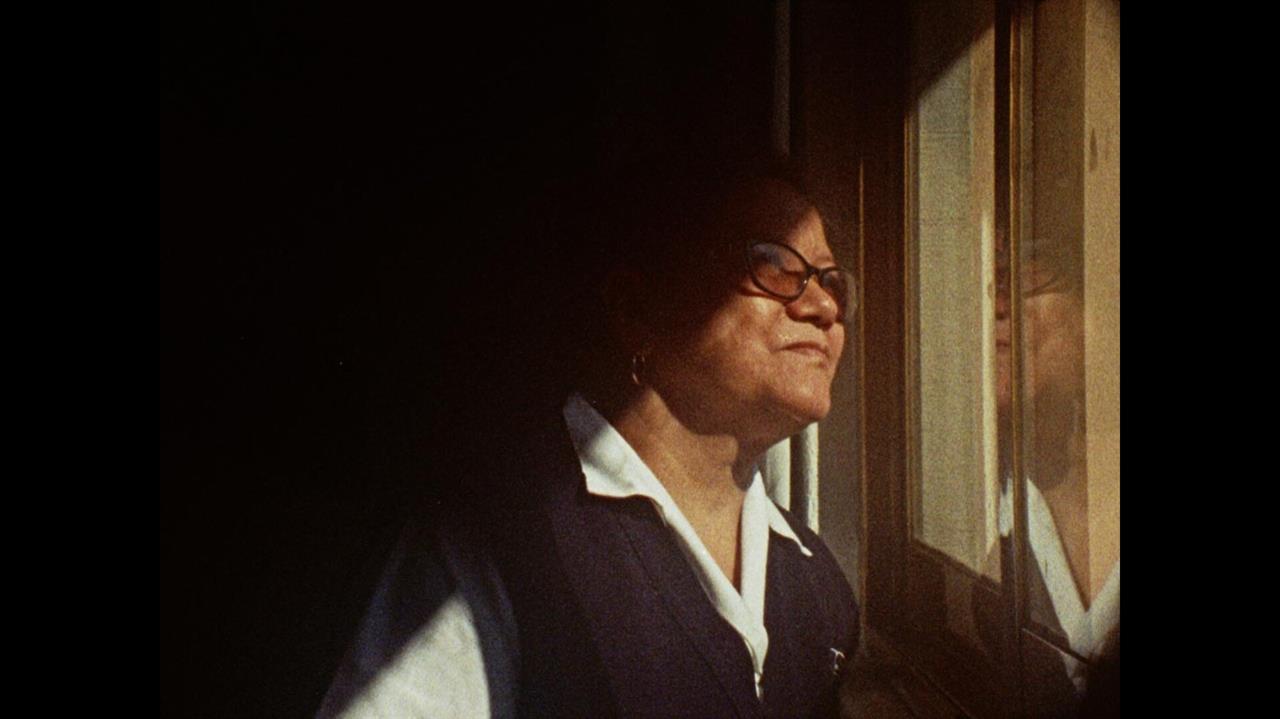
Isay Peña’s short looks at a woman walking through the houses she built, now largely empty, and gives that image a weight that is both intimate and social. Rosi is Peña’s grandmother. At seventy-two, she is living with the absence of a son and the abandonment of a husband, while searching for a place that still feels like hers. A house can preserve a life, but it can also keep its silences intact.
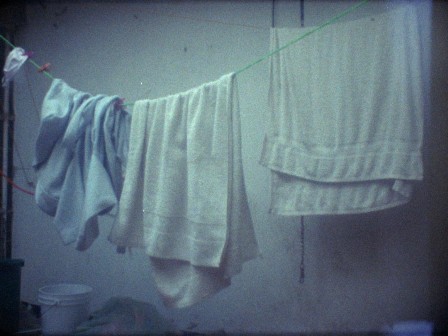
The choice to shoot on 16mm feels especially suited to a film about memory that refuses to turn nostalgia into a soft filter. Grain does not make loss pretty; it makes the image feel handled, finite, and close to the body. Peña’s position as grandson, director, cinematographer, and producer gives the film an unusual point of entry. The camera is not arriving to collect a story from a distance. It is already inside the family history, with all the tenderness and imbalance that closeness brings.
What stands out in the film’s premise is its attention to the places Rosi made and the person still moving through them. The empty properties are not a metaphor that needs decoding; they are material evidence of work, care, and a life whose architecture remains after companionship has thinned away. That tension can make for a moving portrait without making Rosi’s solitude an object for us to admire from a safe distance.
The most compelling version of this film will be the one that lets Rosi remain more than the sum of her losses: a person with habits, choices, and an ongoing claim on the world. The official description’s emphasis on daily life and Peña’s broader interest in family spaces suggest an observant, patient approach. This is a small, close film in scale, with a subject that opens outward into the meaning of home, inheritance, and who gets to occupy the rooms they built.
DOC NYC presents the short as its North American premiere on November 12, with an online run beginning November 11 and continuing through November 29. It is also part of the Mexican Centro de Capacitación Cinematográfica’s 2026 slate and appears in Camerimage’s Talent Demo Showcase. The festival path fits a film whose form is inseparable from its subject: image-making here is also a way of carrying family memory forward.