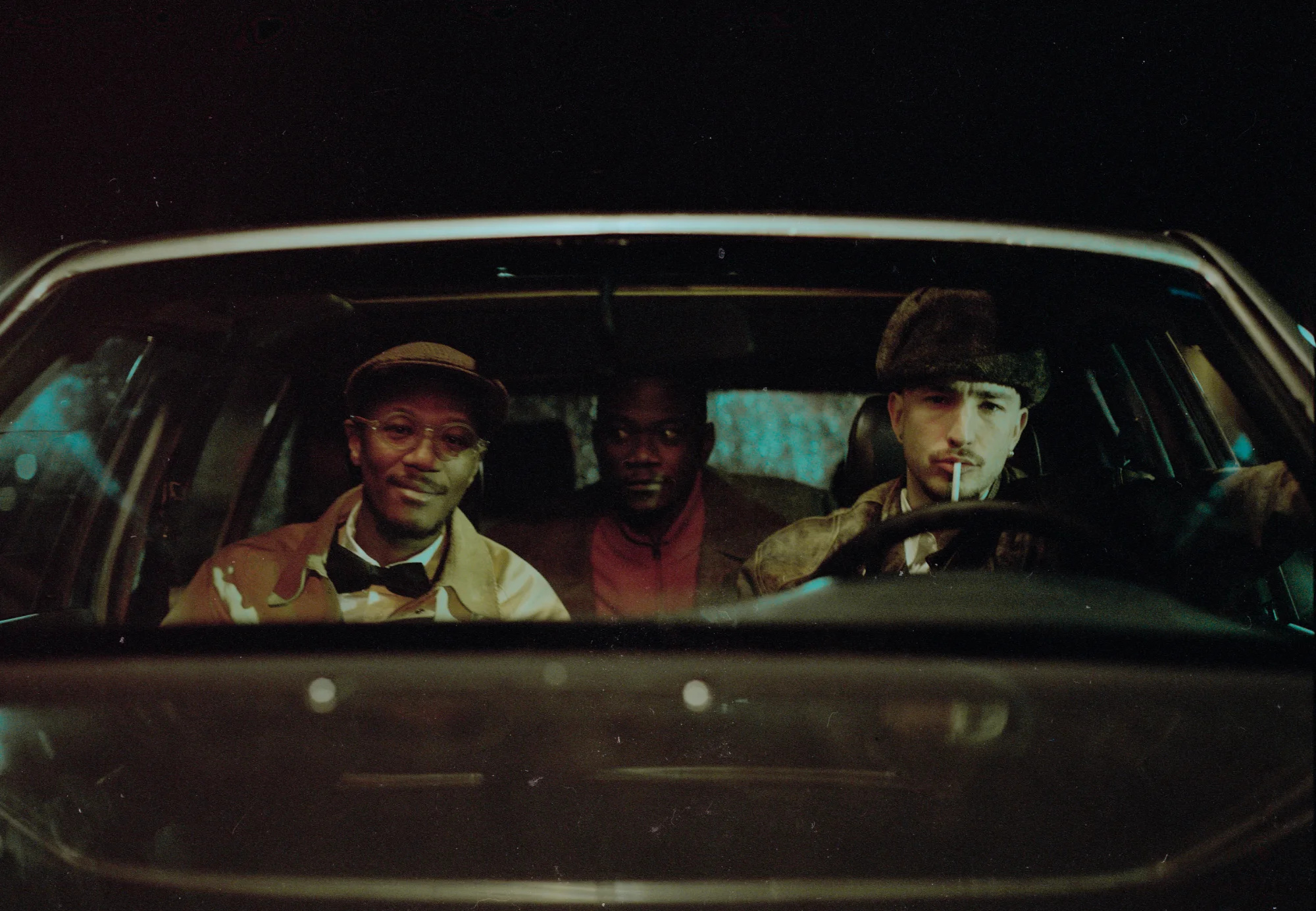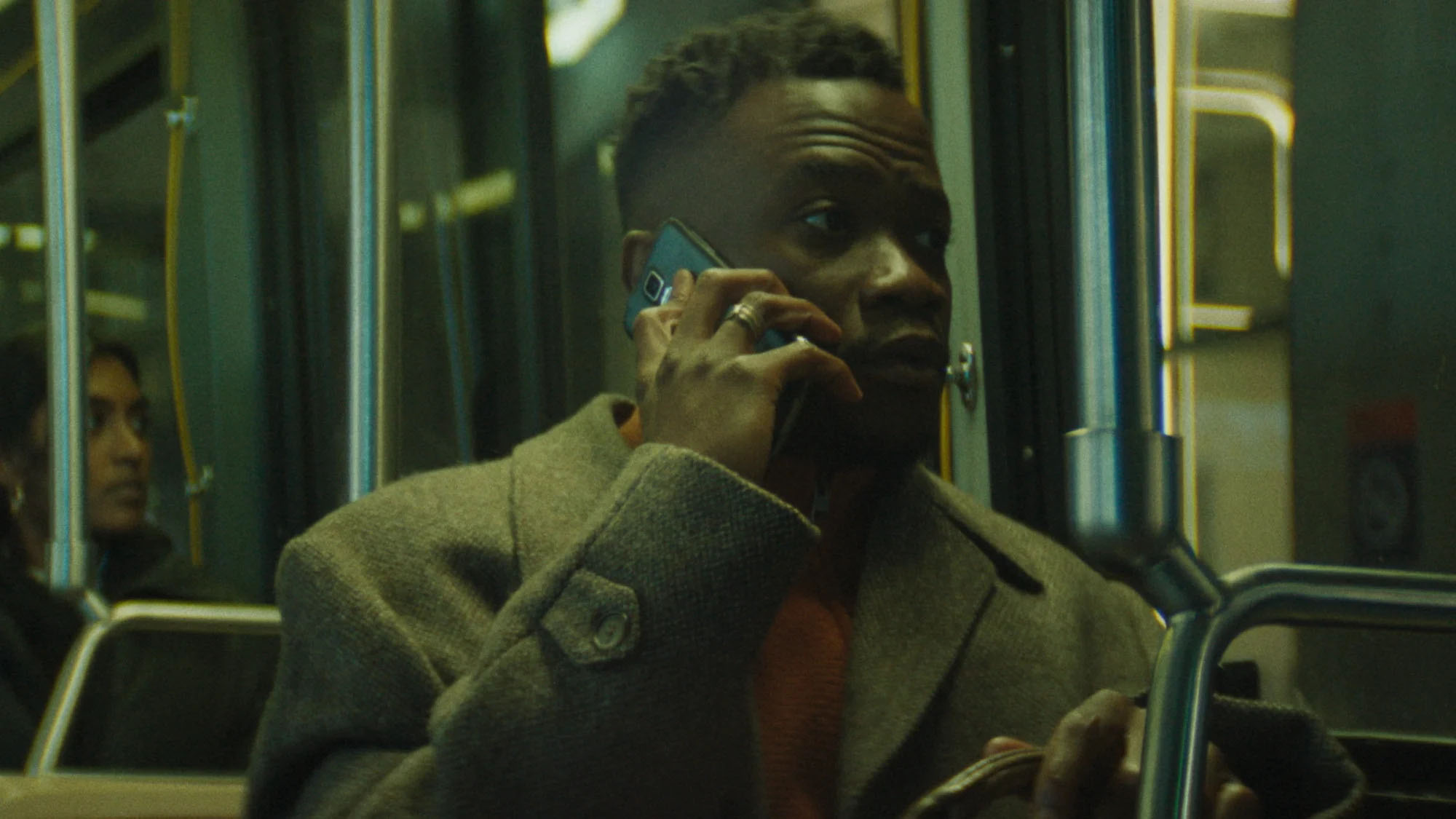
Koffi’s first hours in Montréal have the unstable rhythm of a trip that refuses to go to plan. He is a young Ivorian trumpeter, new to the winter and carrying the weight of a father whose music still gives his life a shape. Will Niava lets the city press in around him: loud, cold, funny at the wrong moment, and never quite legible to someone who has just arrived.
The film’s most alive choice is to let tonal shifts happen without smoothing them over. A comic beat can open onto loneliness; a tune can carry affection and absence at once. The trumpet is not a shortcut to a triumphant ending. It is a way Koffi can speak when ordinary conversation is not enough, and a thread back to the person he is trying to remember.
Niava’s direction gives the short a sense of motion even when Koffi is stranded. The winter streets and the soundscape become part of his interior weather, while the performances keep the film close to the awkward details of arrival: reading a room, deciding whom to trust, trying to find a foothold before the night gets away from you. Niava’s restless camera and editing give the night real momentum, though they occasionally keep every beat at the same high temperature. The movie has style, but it keeps its attention on the person inside the frame.
There is an autobiographical current here, but the film does not ask that fact to do all the emotional work. Its grief feels particular, and its questions about migration and belonging stay grounded in what one young musician can carry from home. Jazz Infernal leaves a little space around its ending. The note lingers; it does not pretend the hard part is over.
The 2026 Sundance Short Film Jury Award for International Fiction recognized exactly the blend that makes the film travel: atmosphere, music, and a story that crosses borders without making identity feel like a caption. It is a confident festival short with a pulse of its own, and one that earns the quiet after the last note.